Throwing Stones XXII: The Prince Of Bankers
(This is Part XXII. Click here to read Throwing Stones Part XXI: Shattered)
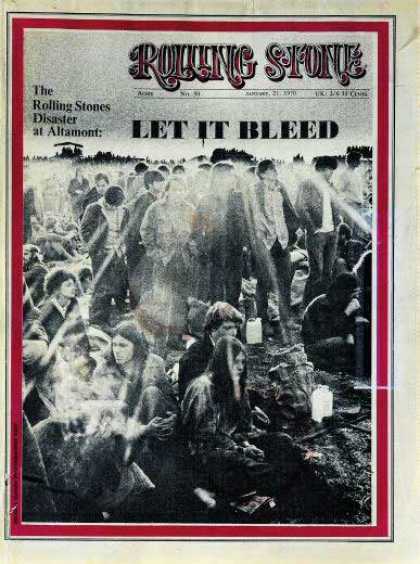
In part XXI, the Stones struggled to deal with the fallout from the Altamont free concert.
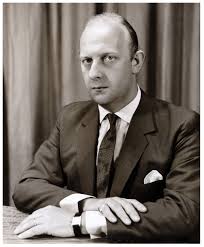 As the sixties drew to close, Rupert Loewenstein noticed that some of the parties he and his wife attended were undergoing a strange transformation. Instead of enjoying drinks and conversation, an increasing number of guests were flopping on a couch or the floor and withdrawing into what appeared to be cosmic bliss or a brain-dead stupor.
On a few occasions, Loewenstein literally stumbled across such guests while saying his goodnights. One evening, he tripped over a skinny young man with long hair. Loewenstein apologized, and the young man seemed to take it all in stride. Months later, Loewenstein would realize that the young man was Mick Jagger, the famous face of The Rolling Stones.
Rupert Loewenstein could be forgiven for being behind the pop cultural curve. He was a well-respected merchant banker and a devoted classical music fan with zero interest in Top 40 trends. Though he made his home in Swinging London, sex, drugs and rock ’n’ roll were about as far from his milieu as you could get.
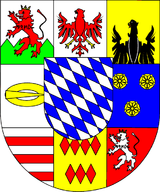
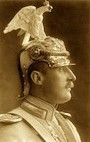 Jagger may have been the crown prince of rock, but Rupert Loewenstein was an actual prince. Born in 1933, he was the sole progeny of the royal houses of Wittelsbach and Loewenstein-Wertheim. Loewenstein’s father was a German prince; his mother, a countess. Baby Rupert entered the world with a title, a coat of arms, twelve middle names and a family tree that winds its way through central European history like a trumpet vine wandering the walls of a crumbling castle. The only thing missing was an inheritance. Previous generations on both sides of the family had long since spent the money and sold off the ancestral estates.
Rupert Loewenstein’s father was surprised to learn that his new wife’s family fortune was gone, and she was burning through what was left with alarming speed. His mother was surprised to learn that her new husband wasn’t about to let marriage interfere with his pursuit of beautiful women.
 Loewenstein’s parents were Catholic, but that didn’t stop the divorce. Disdain for Hitler and the fact that some of their ancestors were Jewish kept them out of Germany as the Nazis rose to power. Rupert was born in Majorca, Spain, and spent the war years in England with his mother. He attended private boarding schools and earned a scholarship to Oxford.
Having watched his parents mismanage money for years, young Rupert developed a knack for common-sense financial decision making. After college, he accepted an entry-level position with the London offices of Bache & Co., a leading international securities and investment firm. The starting salary was low, but Loewenstein hoped to master skills that would make him a rich man someday. He married Josephine Lowry-Cory, a striking young British woman with a couple of barons and a lost fortune in her own family history. Though money was tight, the couple enjoyed entertaining, and the prince continued to add names to what would now be called his “golden Rolodex.”
 Loewenstein worked hard at Bache, and became a skilled stockbroker, negotiator and financial advisor. Upper management decided that the gregarious, multilingual Loewenstein was the ideal man to open Bache’s string of new European brokerage offices. The prince proved them correct while enjoying a lifestyle well beyond his income, thanks to a generous expense account and a healthy travel and entertainment budget. The post-war Western economic boom was roaring toward its high watermark, and the prince and his clients rode the crest of the wave for all it was worth.
In 1962, a wealthy client asked Loewenstein if he would be interested in going into commercial banking. Lowenstein put together a consortium of partners and investors that included his client and purchased Joseph Leopold & Sons, a London-based merchant bank, in 1963.
The bank proved stodgy, even by British standards. The new owners updated the antiquated bookkeeping system and expanded the business, but there was none of the recklessness seen in today’s financial sector. Lowenstein and his partners were largely playing with their own money, and acted accordingly. They dealt in corporate overseas investment, foreign letters of credit, currency trading and other business-oriented banking matters, all guaranteed to raise a yawn in casual conversation. They also offered personal and corporate financial management for select clients.
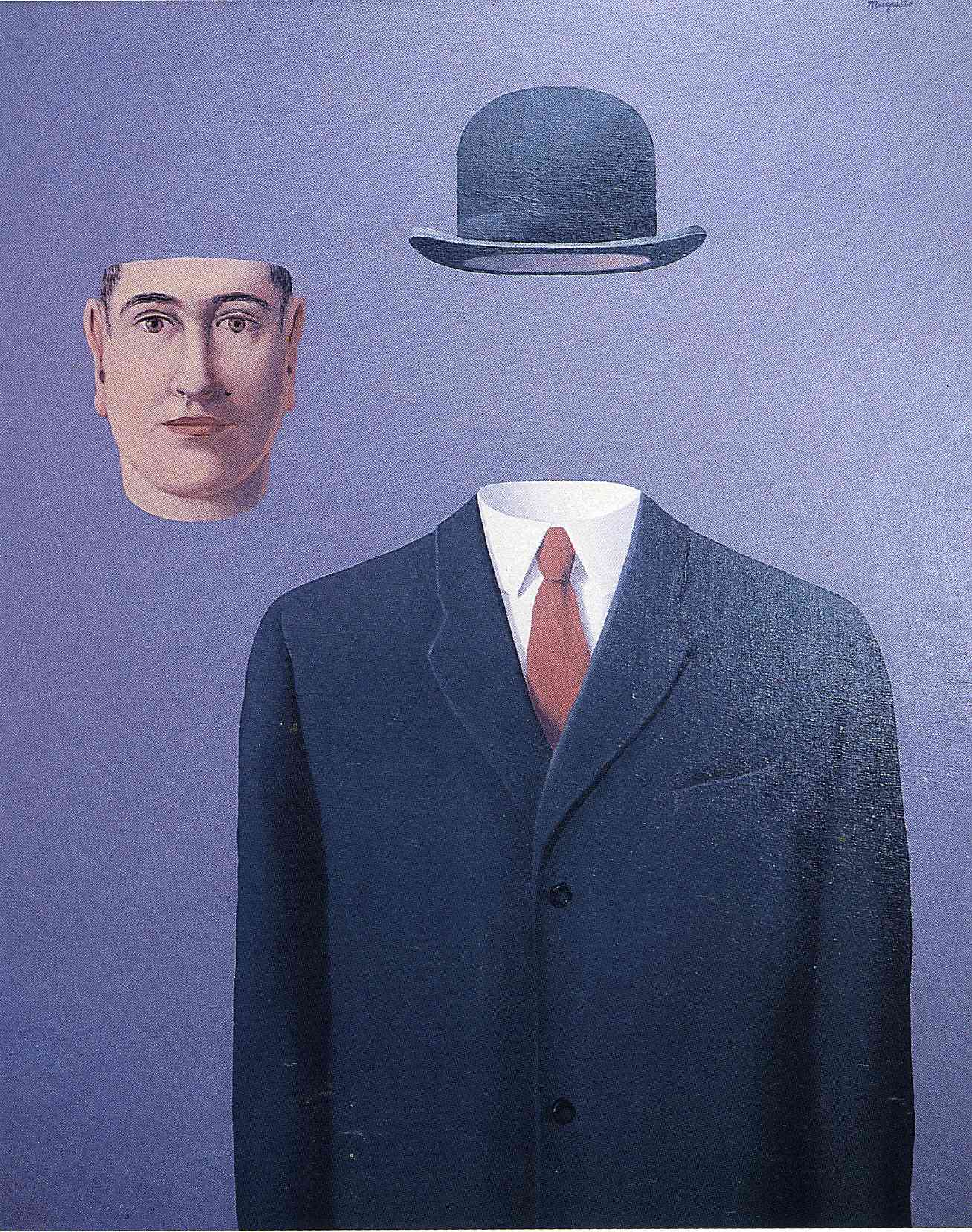 Five years after his team purchased the bank, Loewenstein got a call from a young art dealer and socialite named Christopher Gibbs. Gibbs had grown up wealthy, and his career choice kept him in contact with both new money and the old aristocracy. Gibbs had befriended Mick Jagger, and was surprised when Mick told him that The Rolling Stones were, for all practical purposes, broke. The band’s increasingly estranged American manager, Allen Klein, received all of their income, refused to share financial information, and sporadically sent them checks of varying sizes.
Jagger was desperate to find someone who could help his band regain financial control. He knew that Gibbs had friends in the financial world, and asked the art dealer to put him in touch with a qualified candidate willing to take on the job. It was no easy sell. London’s famously conservative bankers still wore bowler hats, and most wouldn’t have touched The Rolling Stones with a ten-foot umbrella. Gibbs had already been turned down by others when he called his princely pal.
Loewenstein was intrigued. He had begun feeling restless and, though he knew nothing about the Stones or their music, thought a rock group might make an interesting client. Christopher Gibbs told Lowenstein that Mick Jagger was far smarter and more personable than the Stones’ image let on. Loewenstein met with Jagger and confirmed Gibbs’ opinion.
 Afterwards, Loewenstein realized that Jagger was the young man he had tripped over months before, but that didn’t stop him from agreeing to take on the band as a business client. The Rolling Stones’ bizarro showbiz fairytale had taken another improbable turn. Their prince had come.
(This concludes Part XXII. Look for Part XXIII, coming soon, only to Bill’s BrainWorks!)


 Posted by Bill
|
10 comments
Posted by Bill
|
10 comments






 By the end of the sixties, Chip Monck had earned a hard-won reputation as one of the best stage, sound and lighting guys in the business. Having completed preparations for the free concert at the Sears Point Raceway, Monck suddenly had less than two days to tear everything down, truck it fifty miles east to the Altamont Speedway, and set it all up again. Like Tour Manager Sam Cutler, Chip Monck was a trooper. He rallied his largely volunteer crew and pulled off the final miracle of the improbable 1969 tour.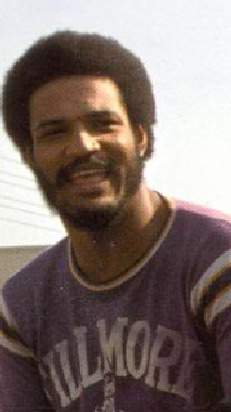
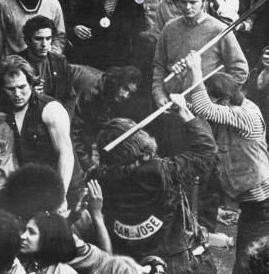
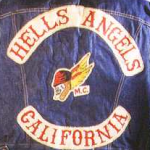 This suggestion seemed somewhat reasonable in 1969, especially if you were English. There were English Hells Angels, fifty of whom had helped out with The Rolling Stones successful free concert in Hyde Park. So when Scully pitched the American Angels in glowing, countercultural terms, describing the bikers as “righteous” and “dignified,” it sounded good to the Stones.
 During the rise of the San Francisco scene, a symbiotic relationship had evolved between musicians, event organizers and local Hells Angels chapters. When the bikers attended a show, they quickly staked out their turf, which fellow concertgoers nicknamed “Angel Land.” It was a land most non-Angels feared to tread. Organizers and promoters soon realized that by encouraging the strategic placement of Angel Land, they could create a buffer zone between the audience and potential problem areas like the soundboard, the power generators or the backstage entrance. The Angels were happy to occupy the suggested piece of real estate in exchange for cases of free beer.


 The band’s contracts with Klein and Decca Records would be expiring soon. Ahmet Ertegun, famed head of Atlantic Records, flew in to discuss the formation of Rolling Stones Records, a label that would be owned by the band and distributed by Atlantic. Meanwhile, on the other side of the country, the Stones’ employees were scrambling to pull off their promised free concert.
 The Stones had infuriated Graham by rejecting his offer to handle their entire American tour. The pugnacious promoter had to settle for a single Bay Area gig instead. Bill Graham had an ego as big as any rockstar’s, and he never forgot a slight. When The Rolling Stones arrived at the Oakland Coliseum in November of 1969, they were greeted by a large photo of Graham giving them the finger, hung over the backstage buffet. Things went downhill from there.
 With staging under construction and thousands of fans from around the country en route, the Hollywood hotshots must have figured their squeeze play was a sure thing. They had no clue that the Rolling Stones were nearly broke, or that Allen Klein, who was sitting on the bulk of the Stones’ fortune, would never surrender such a potentially lucrative copyright. Abandoning Sears Point was the band’s only option.
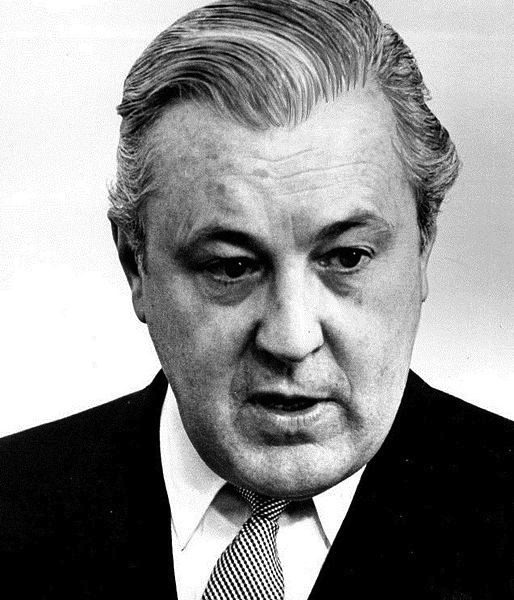 Belli’s effectiveness in personal injury cases had earned him the nickname “The King of Torts” His opponents preferred “Melvin Bellicose.” His long list of celebrity clients included Mae West, Muhammad Ali and Tony Curtis. Belli had even defended Jack Ruby when the Texan was tried for killing Lee Harvey Oswald—a murder broadcast live on national television.


 The William Morris Agency was in the final stages of nailing down a deal to book the tour when Klein butted heads with the band. Ronnie Schneider snowed the Morris agents, telling them he was going with a different firm. Having finally learned the value of rock ’n’ roll, William Morris was desperate to hang on to the year’s hottest tour. They agreed to cut their commission in half and put up $15,000 of funding.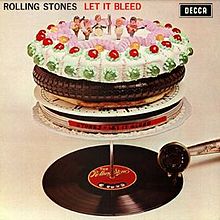


 Initially, Klein had been generous with the Stones, doling out large sums of money with a smile. In 1966, when Keith Richards inquired if he could afford to buy a home in one of London’s toniest neighborhoods, Klein cut the guitarist a check for the full purchase price. But as time went by, the checkbook tightened, and Mick Jagger in particular began to suspect that their wily manager was getting the best of the Stones’ business deals.
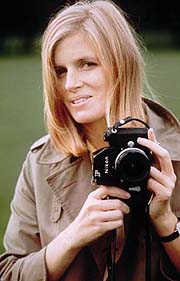 After splitting with actress Jane Asher, Paul McCartney had fallen in love with Linda Eastman, a young American photographer. Contrary to still-popular rumors, Linda Eastman was not the heir to the Eastman-Kodak fortune. But she was from a wealthy New York family. Linda’s father, Lee Eastman, was one of the world’s top intellectual property lawyers, and had decades of entertainment industry experience. Linda’s brother, John, had recently joined her father’s practice.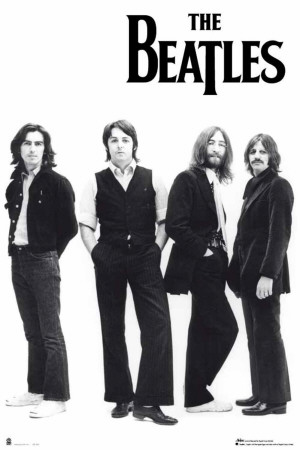
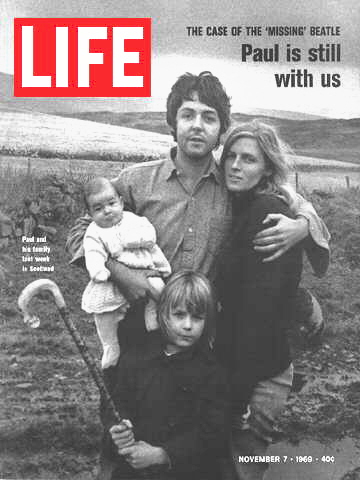 When the four Beatles sat down to decide who would manage the band and handle the turnaround at Apple, Allen Klein got three votes. The Eastmans got one. The Fab Four had a standing rule that all significant decisions had to be unanimous, and McCartney was shocked to hear his bandmates insist that the rule was no longer valid—Klein had won by majority and that was that. It was the beginning of the end.
 James announced that he was selling his interest to ATV Entertainment, a conglomerate owned by Lord Lew Grade, a cigar-chomping British showbiz mogul. The Beatles felt utterly betrayed. Klein promised to stop the sale. But neither Klein nor the Eastmans were able to prevent it, especially after a frustrated John Lennon foolishly threw a tantrum in a critical meeting and denounced a group of potential white knight co-investors as just another bunch of greedy businessmen.
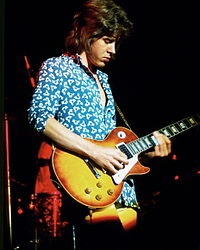 But what of The Rolling Stones? Unlike their Liverpool pals, Jagger and Richards’ outfit was firing on all cylinders. The addition of guitarist Mick Taylor had turbocharged their most creative period. Their rollicking summer single, “Honky Tonk Women,” spent weeks at number one on both the U.S. and U.K. charts. The band’s first U.S. tour in over three years was penciled in for the fall, along with another appearance on The Ed Sullivan Show. A new album was scheduled for release as soon as the tour wrapped. The Stones had even decided to title the LP “Let It Bleed,” in sly mockery of their rivals’ (as yet unreleased) “Let It Be.”

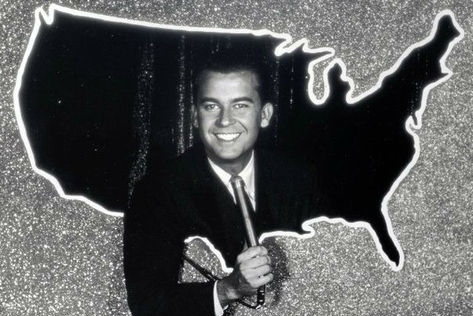 In 1967, Klein acquired Cameo Records and its subsidiary label, Parkway. Founded in Philadelphia in 1956, Cameo had reaped huge benefits from being based in the same city as American Bandstand, Dick Clark’s nationally broadcast TV teen-dance sensation. Booking Cameo-Parkway artists on Bandstand was easy, and whenever Clark got in a pinch or needed a fill-in for a cancellation, Cameo-Parkway got the call.
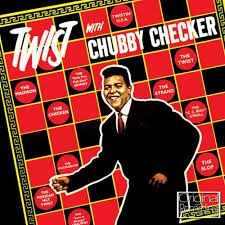 Though Cameo-Parkway had a number of hits, it is best known for Chubby Checker’s version of “The Twist,” which topped the U.S. charts in both 1960 and 1962, inspiring a long-running nationwide dance craze.
 MGM Records purchased Cameo-Parkway in 1967. MGM then sold the struggling label to Klein, who was a major MGM stockholder. Klein restructured his own company as ABKCO, which he jokingly claimed was an acronym for “A Better Kind of Company.” It actually stood for “Allen & Betty Klein & Company.” (Betty was Klein’s wife.) ABKCO obtained the master recording catalogs of MGM artists Herman’s Hermits and The Animals from producer Mickie Most. But Allen Klein was far from satisfied. He was playing the long game, and had set his sights on the biggest act in show biz: The Beatles.
 The Beatles had big dreams for Apple, and new divisions, including music publishing and consumer electronics, were added. Despite the success of the record division, Apple quickly became a financial sinkhole. Too many friends and hangers on were being paid too much to do too little. Every new idea, no matter how impractical, seemed to be funded ad absurdum. Ridiculous expenses like a fully stocked, in-house wine cellar and on-staff chefs were common.
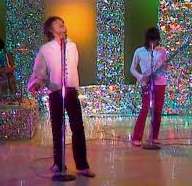
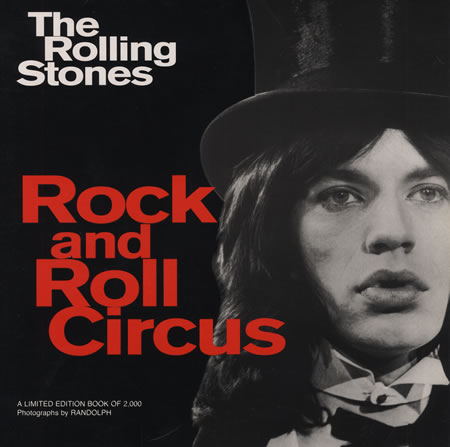 That same December, John and Yoko were guests on The Rolling Stones Rock and Roll Circus, a star-studded TV special that remained unseen until 1996 due to music licensing issues and the Stones unhappiness with their own performance. During the taping, Klein introduced himself to Lennon, humbly describing himself as “an accountant.” Lennon responded positively, saying that he feared ending up broke like American movie star Mickey Rooney. Klein’s face lit up.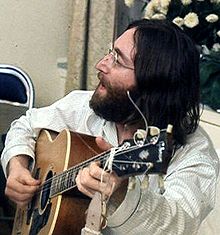


 By 1969, Mick Jagger and Keith Richards were eager to get the Rolling Stones back on the road. The music boom that had begun with Beatlemania showed no signs of stopping, and rock concerts were becoming very big business. A savvy new breed of promoters, epitomized by San Francisco’s Bill Graham, realized just how much money there was to be made, and began offering unprecedented paydays to popular acts.
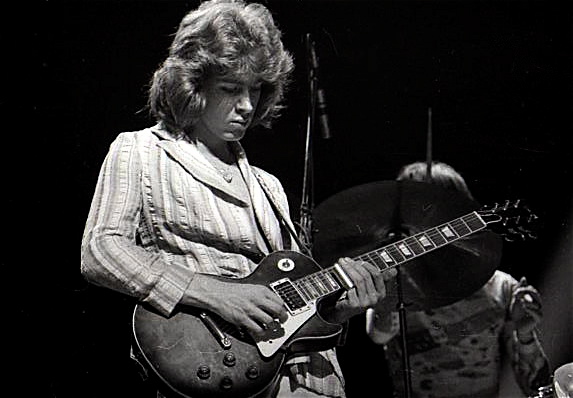
 Given the fallout of their own drug bust, Mick Jagger and Keith Richards had been supportive of Brian Jones. But as tour offers mounted and Jones declined, their attitude grew cold. Jagger even referred to Jones as “a wooden leg” during a newspaper interview. Unbeknownst to Jones, the band began recording with Mick Taylor, a masterful young guitarist who had cut his teeth with John Mayall’s Bluesbreakers.
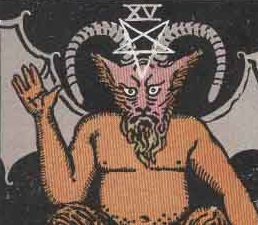 ker tales were becoming generational staples as well. Rumors that Brian Jones was murdered spread rapidly. Most claimed that the construction crew working on Jones’ house killed the guitarist during an argument over money. Some said that the crew’s foreman accidently drowned Jones when a bit of drunken horseplay got too rough. A particularly juicy story claimed that Brian Jones was the victim of a satanic sacrifice.
 that Jones was full of wine and downers—a lethal combination on dry land, let alone in a heated pool.
