Throwing Stones IX: Offstage Lines
(For Part VIII, click Throwing Stones VIII: Band Vs. Brand.)
In Part VIII, the Rolling Stones appeared on Ed Sullivan and agreed to change the lyrics of “Let’s Spend The Night Together,” pleasing censors and alienating fans.
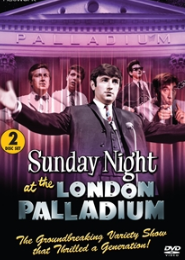
A week after their Ed Sullivan Show debacle, the Rolling Stones appeared on British television’s Sunday Night at the London Palladium. Like Sullivan, Palladium was a long running, hugely popular Sunday night variety hour. Like Sullivan, Palladium was often criticized as a cornball showbiz throwback. And like Sullivan, Palladium had served as a launching pad for nationwide Bealtemania. But Stones’ manager Andrew Loog Oldham had refused all of the show’s previous offers for fear of tarnishing his band’s hip image.
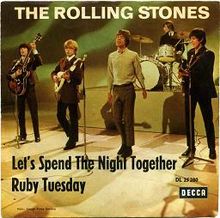
Things change. After years of roadwork, The Beatles stunned the entertainment world by announcing their retirement from live performing. Mick Jagger told reporters that the Stones would be taking a break from the road, and theirs might become permanent as well. “Let’s Spend the Night Together”/“Ruby Tuesday” would have to climb the singles chart without the benefit of a concert tour.
’Ello Sunday Night At The London Palladium.
The Stones performed both sides of their new single and two other songs without incident. But they refused to join the other guests and wave goodnight from a revolving stage when the end credits rolled. Oldham made it clear that he expected the band to be on the roundabout, whether they liked it or not. The Stones laughed in his face. Oldham stormed out, and Sunday Night’s sign-off remained Stone free.
 Andrew Loog Oldham insisting that the Rolling Stones behave themselves would have made a terrific Monty Python routine. Skipping the Palladium roundabout was exactly the kind of bad-boy publicity stunt he had routinely cooked up to feed the band’s anti-Beatles branding. But by 1967, Oldham was worried that the Stones were due for some serious backlash.
U.K. fans were angry that the Stones had bowed to the demands of American TV but couldn’t muster so much as a wave for the home front. Still, “Let’s Spend the Night Together” reached number three on the British charts.
Back in the U.S.A., some radio stations played “Let’s Spend the Night Together.” More played it safe, flipping the single and going with “Ruby Tuesday” instead. Hardly surprising, since the Stones’ Sullivan lyric switcheroo would have made it difficult to defend playing “Night” if challenged.
“Ruby Tuesday” went all the way to number one in America, while “Let’s Spend the Night Together” stalled in the mid-fifties on the Billboard chart. It was an embarrassing showing for a Rolling Stones song.
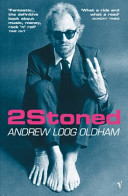 Unfortunately, Andrew Loog Oldham had bigger problems. His depressions were growing longer, deeper and more frequent. Self-medicating with massive amounts of booze and drugs only made things worse. When Oldham sought professional help, he found himself at the mercy of a doctor whose ghastly overuse of electroshock therapy left the young manager in a fog even when he was sober. Adding to his woes, Oldham’s beloved Rolling Stones were turning on him.
After his first meeting with Andrew Loog Oldham in 1964, Allen Klein had followed through with characteristic persistence. Well aware of Oldham’s obsession with American movie tough guys, Klein played the role of brainy Jersey-bred bruiser to the bristly hilt. A captivated Oldham agreed that if Klein could get rid of estranged co-manager Eric Easton, he was in.
Oldham introduced Allen Klein to the Rolling Stones with great enthusiasm. Klein presented himself as an American Robin Hood, who took from greedy record companies and gave to deserving artists. Klein vowed to renegotiate the Stones’ record contract and get them more money than they had ever imagined. He was a band’s best friend—and ultimate attack dog. The Stones were impressed.
Klein cut a deal and bought out Eric Easton in short order. Rumors flew that it was more of a bullying out, but Eric Easton made no public comment. His relationship with Andrew Oldham and the Rolling Stones had lasted less than three years. It had been a wild windfall and a huge headache. Whether Easton felt relieved, betrayed or both when his dealings with Oldham and the band came to an end remained unsaid. He filed suit against Oldham a couple of years later and won a relatively small judgement. Easton eventually retired, relocating to Florida.
The Rolling Stones’ original 1963 Decca deal included an impressive royalty rate for the time. But those royalties were paid to their managers’ independent production company, which retained ultimate ownership of the masters. Oldham and Easton took a sizable cut of the royalties before passing them on to the band.
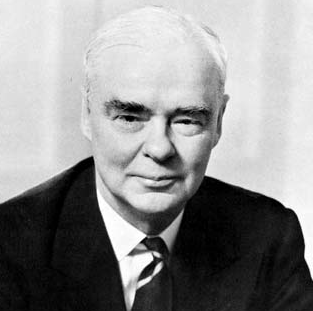
Having secured the role of co-manager in late August of 1965, Allen Klein set about renegotiating the Stones recording contract. Klein famously brought the band along to his negotiations with English Decca head Sir Edward Lewis. As per Klein’s instructions, the band members all wore sunglasses and let him do the talking. Klein mercilessly berated the sixty-five-year-old Lewis and his staff. When Sir Edward said he had many good people working at Decca, Klein snapped, “Well, I hope they can sing, because you aren’t going to have the Rolling Stones.”
Less than a week after Allen Klein officially joined their management team, the Rolling Stones re-upped with Decca in a landmark deal. But while Klein and Oldham celebrated getting the better of a man they dismissed as a hopeless old has-been, Sir Edward got the Stones for five more years. He also funded more than half of the large cash upfront payment that Klein had demanded with accrued American royalties that Decca was in the process of sending the band anyway. Whether American tough guy bluster or sensible English reserve won the day depends on who you ask.
The jubilant Stones reveled in Klein’s hardball tactics. A few years later, when they found themselves on receiving end of those tactics, they would come to view Allen Klein in a very different light.
(This concludes Part IX of Throwing Stones. Click now to read Part X: Hear Me Knocking.)


 Posted by Bill
|
4 comments
Posted by Bill
|
4 comments
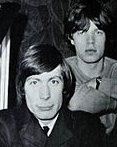 Less than three years after starting out as a cover band playing local clubs, The Rolling Stones had morphed into an international phenomenon. They had racked an impressive string of hit singles and albums in Europe and America. Their concerts sold out quickly and ended in fans-gone-wild pandemonium. They were second only to The Beatles in the newly built Brit-rock pantheon, and Jagger and Richards were second only to Lennon and McCartney as chart-topping songwriters.
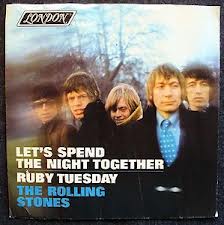 The band planned to kick off ’67 in style. They would headline The Ed Sullivan Show on Sunday, January 15, performing both sides of their new single for a gigantic primetime audience. Musically, “Let’s Spend the Night Together” and “Ruby Tuesday” were among the most radio-friendly tracks the Stones had ever recorded. The single would hit stores and radio stations the day before tens of millions of viewers caught the band on national TV. It couldn’t miss.
 Oldham must have loved that one. The Stones hair had been clean. Indeed, Brian Jones’ shimmering locks were enough to make a Breck® Girl jealous. The clothing issue seemed to center around Mick Jagger’s choice of a sweater instead of a suit or sport coat. Oldham agreed to dandy up his lead singer and let the show’s stylist wash his boys’ hair before the broadcast. Deal.



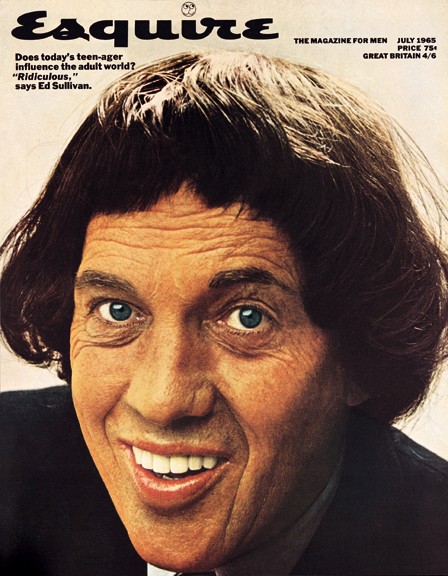
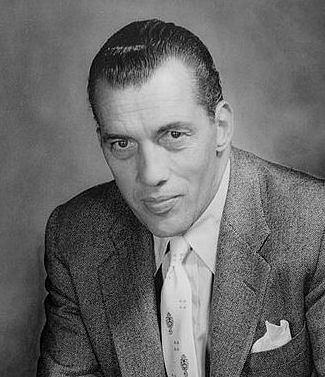 Ed Sullivan was the ultimate show business cipher. He couldn’t sing, dance, act or tell a joke. But he became one of the biggest stars, and the biggest star-maker, in television history.
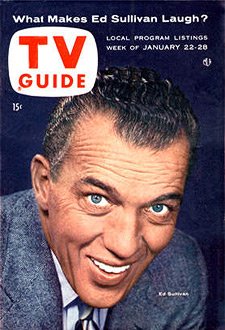 Nobody ever accused Ed Sullivan of being telegenic. Devoid of the easy charm and relaxed demeanor television demanded, Sullivan came across as tense and intense. His smiles registered as grimaces. His eyes darted beneath his furrowed brow. He was stiff-necked and often listed to one side, and his lurching movements convinced some viewers that he suffered from palsy. Sullivan’s patter was stilted, his banter was boring and his awkward phrasing and strange pronunciations delighted amateur impressionists everywhere. His program was the closest thing to vaudeville on TV, and he always promised “a rilly big shew.”
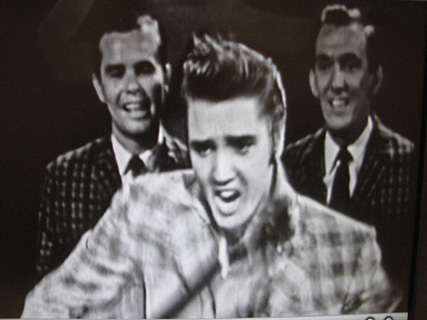 Steve Allen’s show aired opposite Sullivan’s, and demolished Ed’s ratings the night that Elvis appeared. Sullivan did a world class flip-flop, booking Presley for three shows. The first drew 60 million viewers, a TV audience record. By the third show, Sullivan was praising Elvis on air as “a real decent, fine boy” while CBS cameramen framed the hillbilly hip-shaker strictly from the waist up.
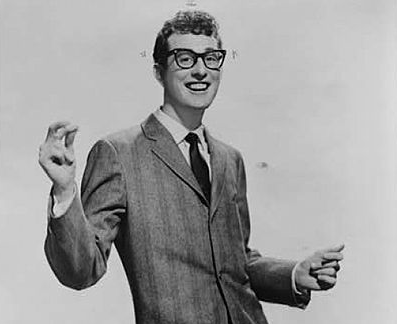 In January 1958, more than a year after Elvis’s final appearance, Sullivan ordered Buddy Holly not to play “Oh Boy.” Like Bo Diddley, Holly was appearing on the show to promote his current single, and was mystified by Sullivan’s last-minute meddling. Apparently, Sullivan had decided that the song was simply too energetic for his show’s audience. When Holly stood his ground, Sullivan cut his second song and ordered Holly’s electric guitar be turned down during “Oh Boy.” Holly rocked the house anyway. A flummoxed Sullivan later offered Holly more appearances. Avenging the slight to his Fender® Stratocaster®, Holly turned Sullivan down.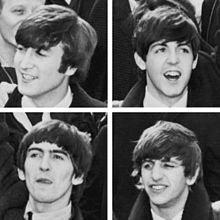


 The Beatles chalked up six #1 U.S. hits in 1964. Their TV appearances shattered audience records, and their American tour was a runaway success. By the end of the year, English acts accounted for more than a third of all the singles to reach the American top ten. The British Invasion was rolling across the pop cultural landscape like a mechanized division. But the Rolling Stones were stuck in the trenches.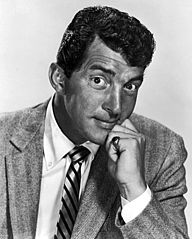
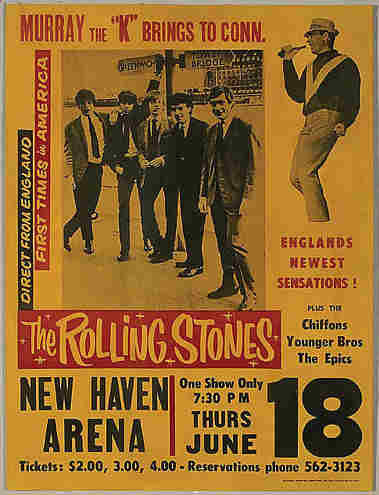
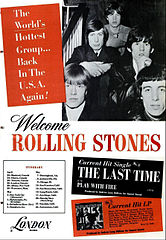 The Stones’ stateside fortunes changed dramatically when the band returned to America in the fall of 1964. “Time Is On My Side” was riding the rising tide of Brit hits into the top ten. Buoyed by a late October appearance on The Ed Sullivan Show, the Stones began playing to full houses, and firmly established their anti-Beatles image in the U.S.
 The production team of Hugo & Luigi, who had worked on many of Cooke’s hits and owned an interest in some of his projects, turned down Klein’s buyout offers. The producers claimed that Klein responded by stonewalling them, making it impossible to learn what was going on with their stake in Cooke’s legacy. The duo eventually sold to Klein out of sheer frustration.

 depths of New York’s notorious Genovese mob family and crept into almost every aspect of the entertainment world. Roulette Records functioned as a record company while serving as a mob bank, scam, social club and money laundering operation. Men who challenged Morris Levy on business matters tended to suffer brutal beatings, get dangled out of windows or simply disappear.
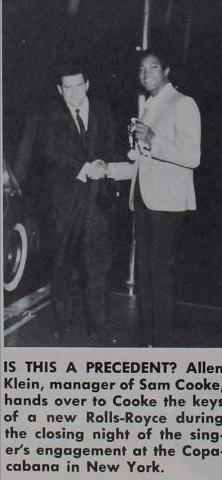 African-American owned record companies in the country.
