The Dirt On Stolen Tide®
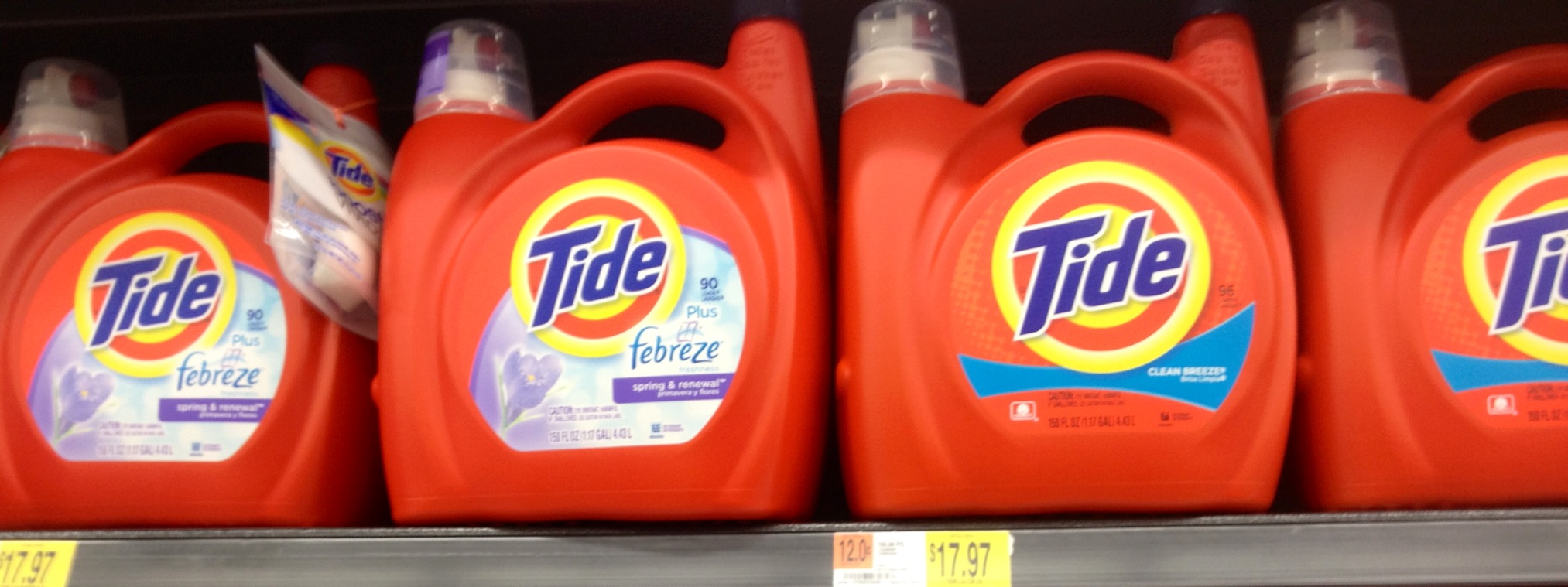
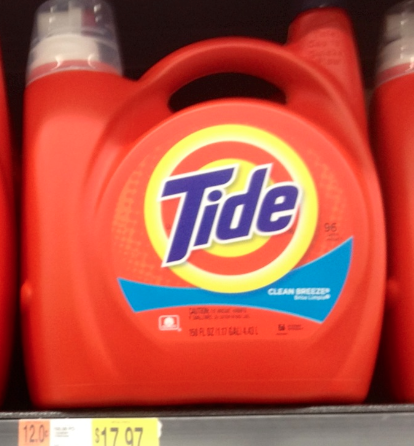 Last spring, a series of stories centering on a legendary household name bubbled up in the press. Tide® laundry detergent was becoming one of the most-stolen products in America. The trend was puzzling, since skilled shoplifters typically snatch small, high-ticket items and Tide comes in a bulky plastic jug. Stranger still, those bright orange jugs were often the targets of organized raiding parties. While a car idled in the parking lot with the trunk open, crooks crammed carts with Tide, rushed outside, filled the trunk, and made a (ahem) clean getaway. Individual stores were being struck repeatedly, some several times a day.
Soon, jugs of Tide began turning up at crime scenes, especially drug busts. What did detergent have to do with that dirty business? Could Tide be the secret ingredient in some new designer drug? Were thugs really calling America’s bestselling laundry soap “liquid gold”? Initial reaction was skeptical. Reports of stolen Tide were dismissed as overblown at best and non-stories at worst. But almost a year later, it’s clear that the naysayers were wrong. Blame it on the power of branding.
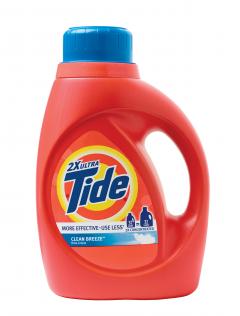
An instant hit when it was introduced in the 1940’s, Tide was the first heavy-duty synthetic detergent. Its innovative, surfactant-based formula made machine washing in hard water possible, eliminating issues caused by minerals in local water supplies. Backed by Proctor & Gamble’s relentless brand building, Tide quickly sent the previous laundry category leader down the drain. Remember Rinso®? Didn’t think so. Over 60 years after its arrival, Tide still dominates the detergent market, commands an impressive premium price, and inspires fierce brand loyalty.
Like Coke®, McDonald’s® or Levi’s®, Tide is an American icon gone global. Brands like Apple®, Google® and Facebook® may get all the buzz, but Tide is a marketer’s dream. A classic Proctor & Gamble success story, it has never suffered the sorts of setbacks encountered by the other brands I’ve mentioned.
The mystery of the missing detergent has a simpler answer than initially imagined: Strong branding has turned Tide into a form of currency in certain corners of the underworld. Crack and weed dealers are happy to take payment in Tide instead of cash. (A boosted jug is valued at less than half the retail price.) Dealers know they can sell it at a profit to individuals happy to pay less than full price. Or in bulk to shady retailers happy to boost narrow margins on a wildly popular product. Drug users know it’s far less risky to pilfer Tide than pull off an armed robbery. Professional thieves are smart enough to pick up on the trend. And even the dimmest criminal mind realizes that proving a jug of Tide is stolen is practically impossible.
P&G has condemned the Tide thefts as unfortunate and inappropriate, while declining further comment. But you can bet they’re keeping a close eye on a situation that could stain a brand synonymous with decades of unsullied success.


 Posted by Bill
|
5 comments
Posted by Bill
|
5 comments
Happ W.
Wow. Who would have ever thunk it? There’s got to be more to the story. Speaking of stains, maybe criminal crime scene cleaners need it in big quantities and don’t want to be seen making large purchases. Or, could agents of Gain® be working to deplete Tide’s shelf inventory in grocery stores? Someday someone will uncover the dirty little secret!
Dave
My God, what’s next?
Dan O
“Psst. Hey buddy. Want cleaner clothes? Agent Orange has the hook-up.”
Dale R.
Stealing bulky Tide containers seems to offer a small resale profit margin, but perhaps that’s part of the appeal. If a $16 unit has a stable street price of 8 or 10, the thief knows he can unload the goods with repeat buyers ready to purchase. A sure thing in a weak economy. If you have the guts to load up a cart with 20 units, wheel through the doors to a getaway car, then speed off without soiling your pants, you’re cool. But if you do stain your Dockers…
Tom C.
Maybe it’s used to launder money!